Wisconsin gives us a generous outdoor season and a hard stop. From about May through October the backyard is the best room in the house. The rest of the year it is buried in snow. Smart outdoor design accepts both realities.
The goal is twofold: squeeze more usable time out of the warm months, and build with materials that shrug off the cold ones. A fire pit that pulls you outside on a chilly October night. A pergola that blocks the wind coming off the river. Surfaces that do not care about freeze-thaw.
Here are the ideas that pay off most in our climate, drawn from years of building backyard spaces across the Fox Valley for people who want every possible evening outside.
Key Takeaways
- Design for a May-through-October season, then add features that push into the shoulder months.
- A fire feature is the single best way to extend usable evenings into spring and fall.
- Blocking wind matters as much as adding warmth — pergolas, screens, and plantings all help.
- Choose freeze-thaw-tough materials so the space survives the winter it sits through.
Designing for a Short, Intense Season
Because our outdoor months are limited, every part of the space should earn its keep. That means thinking about how you will actually use it — dining, lounging, gathering around a fire — and building zones for each rather than one undefined slab.
It also means planning for the shoulder seasons, the cool edges of spring and fall when a little shelter and warmth make the difference between using the yard and staying inside. A well-planned outdoor living space treats those chilly-but-clear evenings as prime time, not a loss.
Fire Features Extend the Season
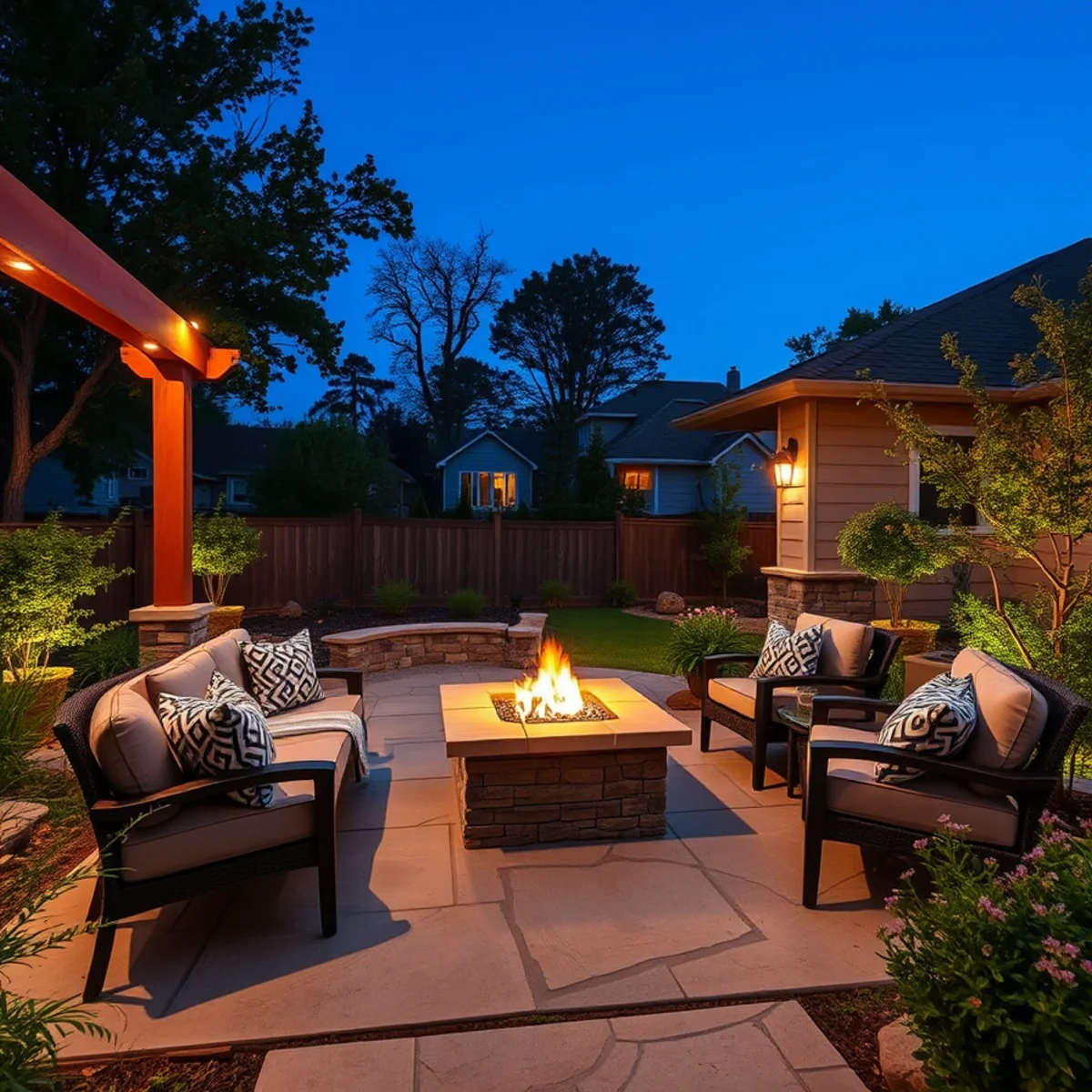
If you do one thing to get more use out of your yard, add a fire feature. Nothing else stretches the season like it. A fire pit or fireplace pulls people outside on the cool April and October nights that would otherwise send everyone indoors, and it anchors the whole space socially.
A fire pit is casual, more affordable, and great for a circle of chairs. A built-in fireplace is a bigger commitment that throws directional heat and doubles as a windbreak and a striking focal point. Either way, build it into a solid paver patio with proper clearances and a stable, non-combustible base. Gas gives you instant, mess-free flame; wood gives you the crackle and the smell. Both work here — the choice is lifestyle, not climate.
Shelter From Wind and Sun
Comfort outdoors is not only about temperature. Wind is the quiet season-killer here, especially in open yards and anywhere near the water. A space you cannot enjoy on a breezy evening is a space you underuse.
Overhead and vertical structures fix that. A pergola defines the room and, with a canopy or louvers, tames the sun. Privacy screens, a section of wall, or a dense planting on the windward side cut the breeze and make the space feel like an outdoor room instead of an exposed platform. Layered plantings do double duty — softening the hardscape while blocking wind — which is where thoughtful planting and softscaping around a patio pays off.
Three-Season Extensions
To push furthest into spring and fall, add elements that hold warmth and block weather. A covered structure — a roofed pergola or a three-season shelter — keeps rain and dew off and lets you sit out in weather that would otherwise chase you inside.
Overhead radiant or freestanding patio heaters buy you comfortable evenings well into the cold shoulder months. Combine a covered area, a heat source, and a windbreak and you have effectively added weeks to your outdoor year. These are the features that separate a summer-only patio from a space you reach for two-thirds of the calendar.
Materials and Lighting That Handle Winter
Whatever you build sits through a Wisconsin winter unused, so it has to take the freeze-thaw beating. Concrete pavers and natural stone on a proper base handle it well. Powder-coated metal and quality hardwoods or composites hold up to snow and ice. Avoid anything that traps water and cracks when it freezes.
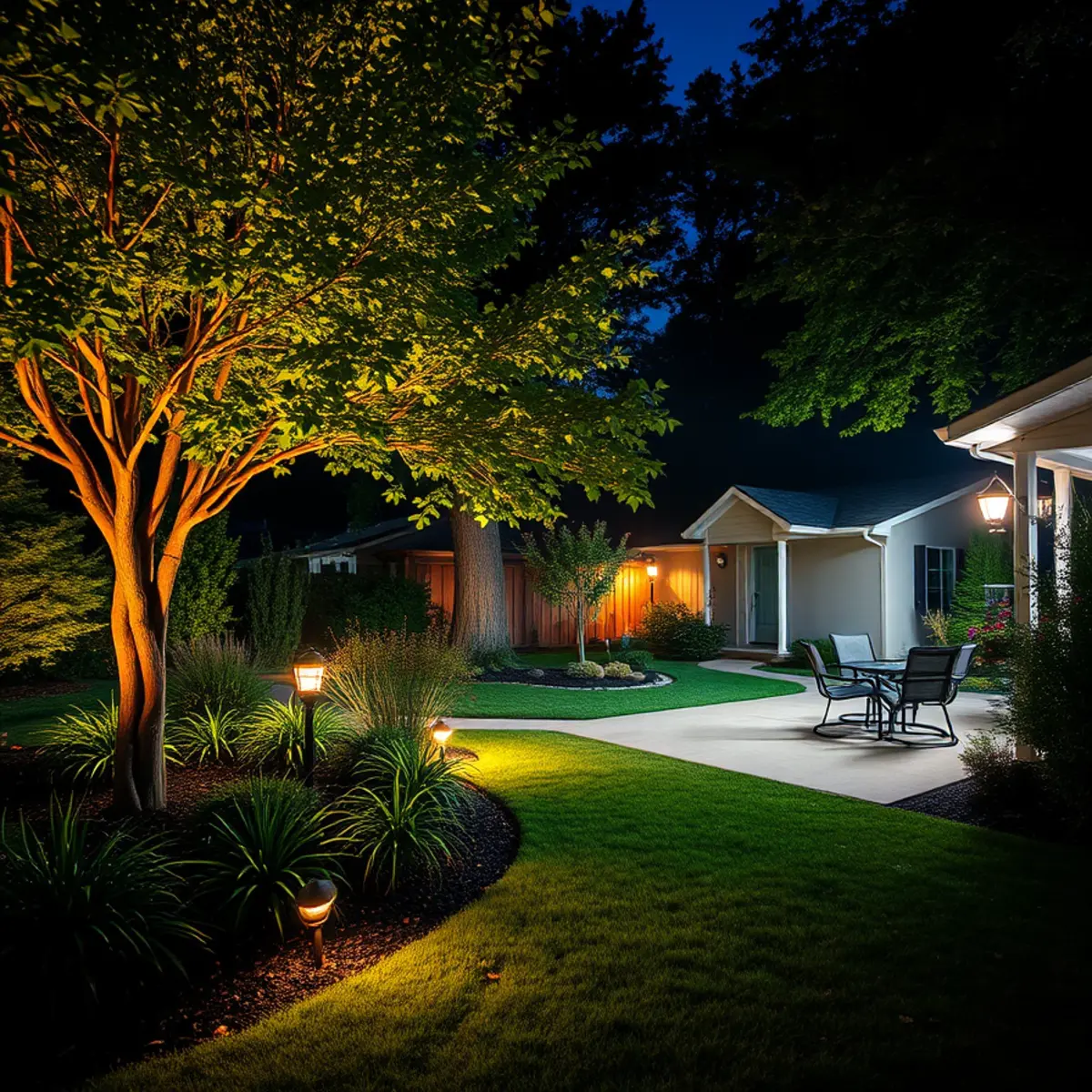
Lighting is the finishing layer, and it matters more here because our best outdoor season runs long into dark evenings. Low-voltage LED landscape lighting keeps the space usable and safe after sunset, extends the hours you can enjoy it, and looks striking against snow the rest of the year. We plan lighting and shelter together for clients across Appleton and Neenah so the space works from a warm July afternoon to a crisp October night.
Want a hand with your project?
The owner offers free, no-obligation estimates across Appleton and the Fox Cities.
Frequently Asked Questions
Add a fire feature and block the wind. A fire pit or fireplace pulls people outside on cool evenings, and a pergola, screen, or windbreak planting keeps a breeze from cutting the night short. Patio heaters and a covered area extend it further. Together they can add weeks to your usable season.
Both work in our climate; it's a lifestyle choice. A fire pit is casual, more affordable, and suits a circle of chairs. A fireplace throws directional heat, doubles as a windbreak and focal point, and costs more. Either should be built on a stable, non-combustible base with proper clearances.
It will if it's built for freeze-thaw. Pavers and natural stone on a deep, compacted base, powder-coated metal, and quality composites all handle snow, ice, and repeated freezing. The failures come from shortcuts in the base or materials that trap water and crack. Build it right and winter is a non-issue.
It's worth it. Our best outdoor season runs long into dark evenings, and low-voltage LED lighting makes the space usable and safe after sunset — exactly when you'd otherwise head in. It also adds curb appeal and looks striking against snow in the off-season, so it earns its keep year-round.
Related Services & Areas
Services

Written by the team at Down To Earth Landscaping, an owner-operated landscaping company serving Appleton and the Fox Cities for over 20 years. We design, build, and maintain outdoor spaces built for Wisconsin's climate.