
 Planting & Gardens
 May 6, 2025 7 min read
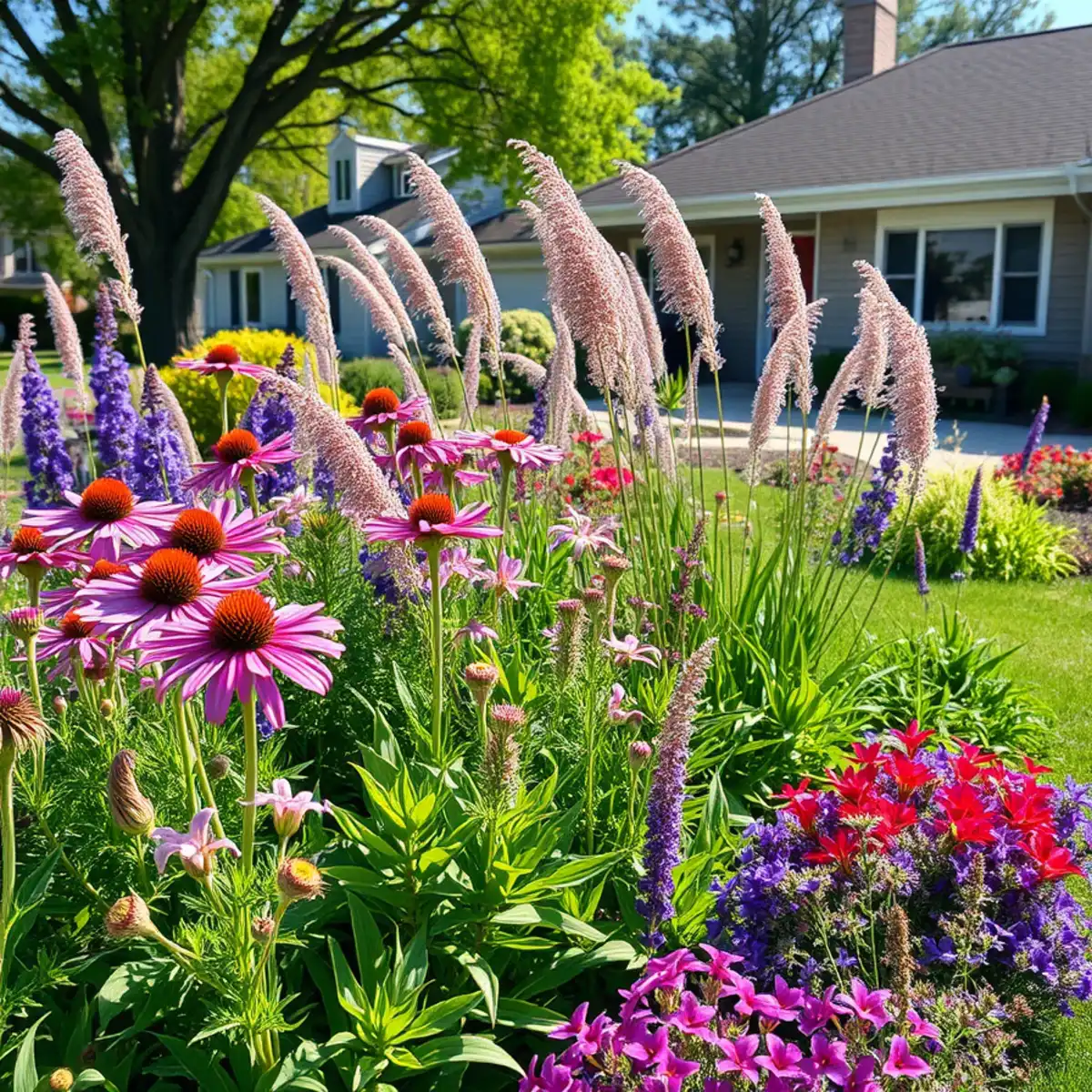
15 Best Plants for a Wisconsin Zone 5 Landscape
A working list of fifteen plants that earn their place in a Fox Valley yard — hardy through our winters, forgiving of clay, and heavy on natives.
Read article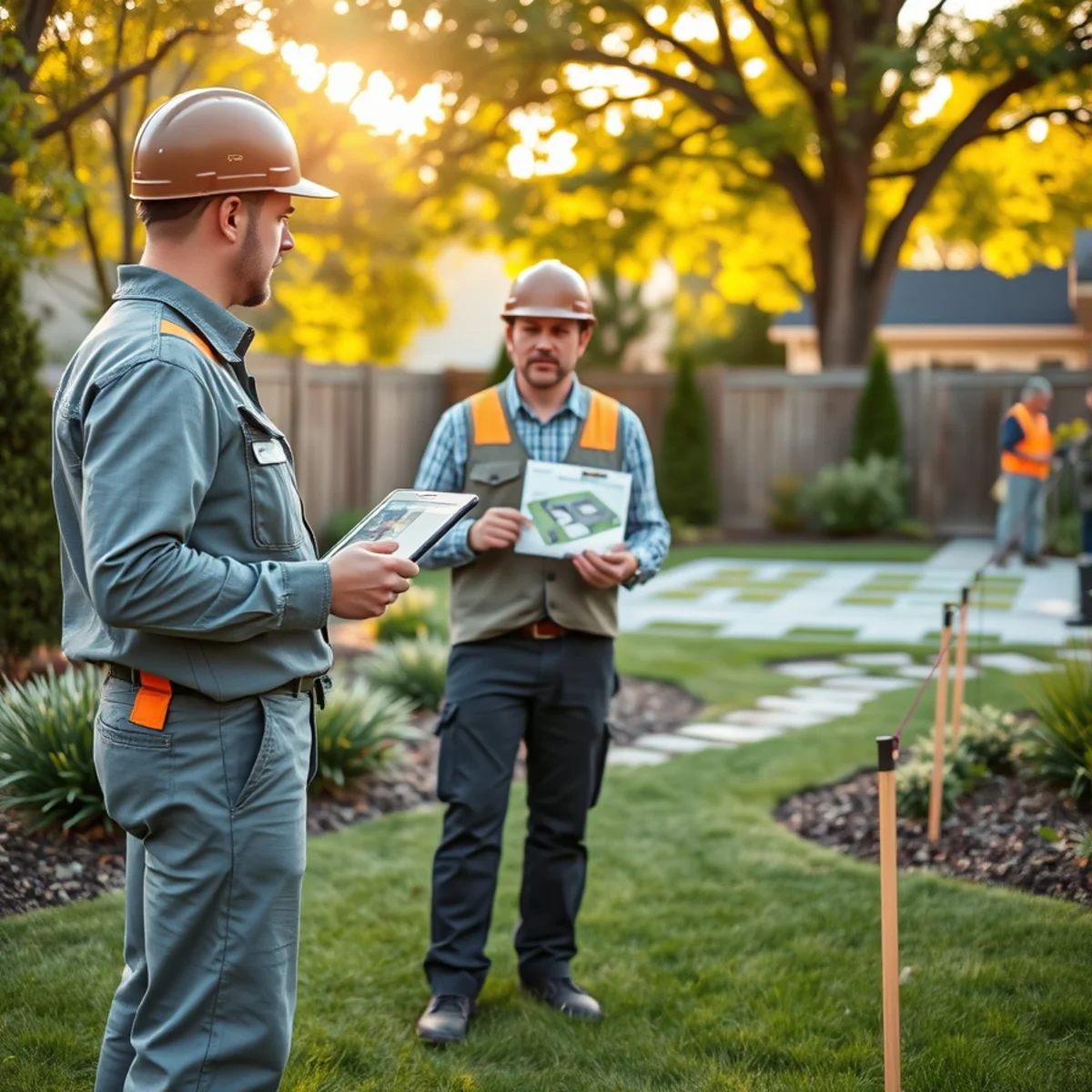
Great yards do not happen by accident. They start with a plan that fits your property, your budget, and the way you actually live outside.
A good design saves you money. It keeps you from planting a tree in the wrong spot, pouring a patio where water collects, or buying plants that will not survive a Fox Cities winter. Before a single shovel goes in the ground, we map out the whole picture so every dollar you spend pushes toward the same result.
We start where you are. Maybe you have a blank builder lot in Greenville, a shaded century-old yard near downtown Appleton, or a slope in Kaukauna you have never been able to use. We read the property first — sun, shade, drainage, soil, and how you want to use the space — then design around what is really there.
You will see the plan before we build it. We use 3D landscape visualization so you can walk through your finished yard on screen, adjust it, and commit with confidence instead of imagining it from a sketch.
Most homeowners come to us stuck at the same handful of starting points.
You know the yard needs work, but you cannot picture what is possible or in what order to tackle it. A plan turns a vague wish into clear, phased steps.
A bed here, a patio there, a tree somewhere else — added over years with no plan, and none of it flows. A master design ties it into one cohesive yard.
If part of the yard floods after a storm or snowmelt, the design has to solve drainage before anything decorative goes on top of it.
Choosing plants without a plan for sun, soil, and hardiness zone wastes money every season. Right plant, right place is a design decision.
A new-construction lot is a blank slate with compacted soil and no structure. A design gives it bones before you spend on landscaping piecemeal.
We walk your property together, talk through your goals, budget range, and timeline, and note the sun, shade, slope, and drainage that will shape the plan.
We evaluate soil and drainage, check how water moves across the lot, and identify anything — grades, roots, utilities — that affects what we can build.
We develop a design and show it to you in 3D so you can see the finished yard, request changes, and understand exactly what you are approving.
You receive a clear plan with line-item pricing, material specifications, and a realistic timeline — no vague estimates, no surprise change orders.
Approve the plan and we schedule the build. On a bigger project we can phase the work over two seasons so it fits your budget.
Anyone can drop a plan from a design catalog onto your lot. It will not survive here. Our winters bottom out around fifteen to twenty below, our soil is heavy clay, and our usable outdoor season runs a short May-through-October. A design that ignores those facts fails within a couple of seasons.
So we build every plan on plants proven to Zone 4 hardiness — a safety margin below our official 5a/5b rating — and save the tender Zone 5b picks for protected microclimates near a south-facing wall or foundation. We aim for at least 30 percent native Wisconsin plants like coneflower, little bluestem, and serviceberry, which need less water, shrug off our winters, and feed pollinators.
And we design drainage first. In clay country, where the water goes decides whether everything else lasts.
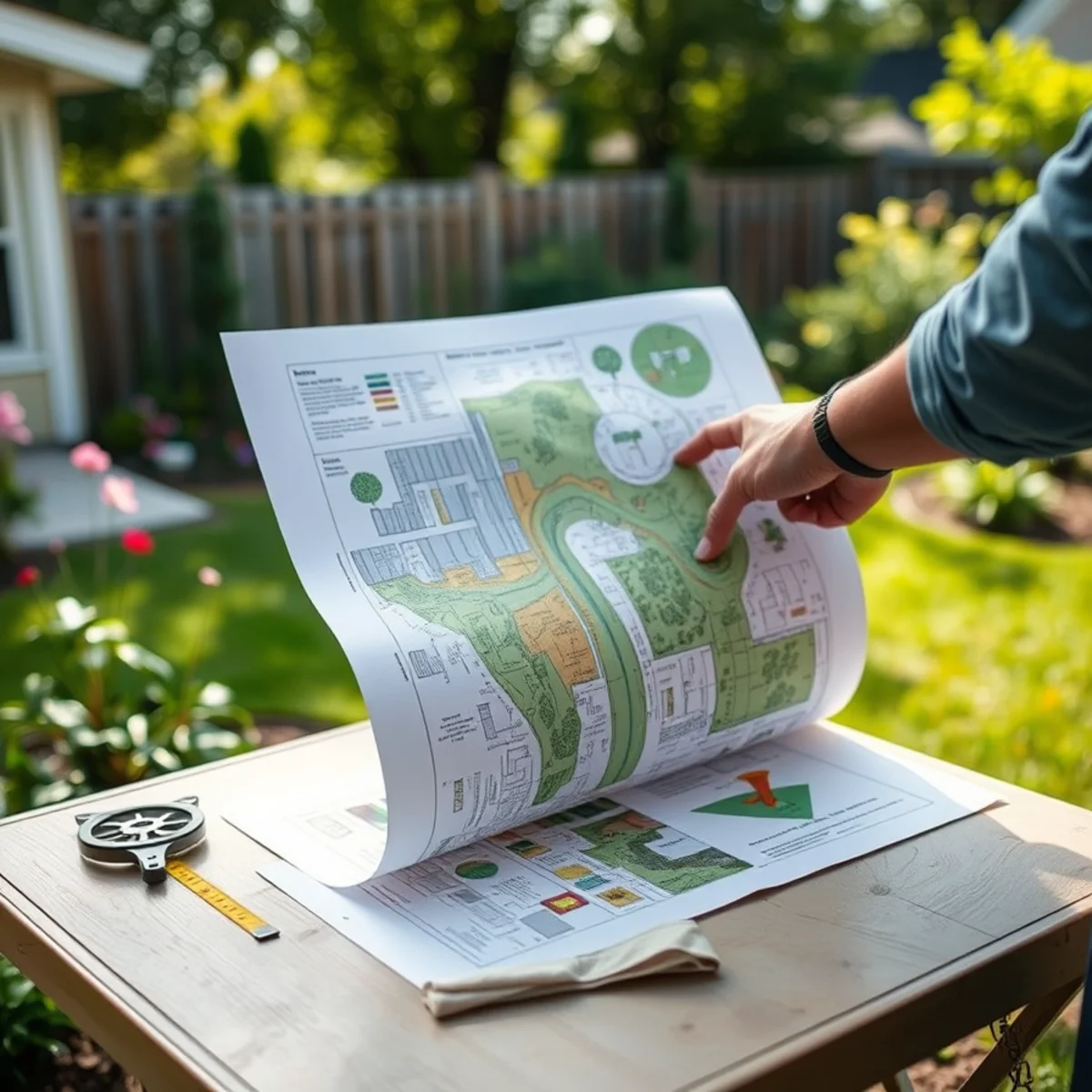
Design investment scales with the size and complexity of your property and how detailed a plan you need. A focused plan for one problem area is very different from a full-property master plan with hardscape, plantings, lighting, and drainage.
A single-bed refresh, a backyard redesign, or a whole-property master plan each call for different levels of design work.
Larger lots, steep slopes, drainage problems, and mature trees all add layers the design has to account for.
Simple concept sketches cost less than full 3D visualizations with material specs and construction-ready documents.
When we design and install the project, design work is often folded into the overall proposal rather than billed separately.
Every plan starts with a free on-site consultation — we will talk through scope and give you clear numbers before any work begins.
Not always. For a single, self-contained project we can often move straight to a proposal. But if you plan to add to your yard over time, even a simple master plan keeps each phase working toward one cohesive result instead of a patchwork.
Yes. We use 3D visualization so you can see your finished landscape, walk through it, and request changes before you approve anything or we break ground.
Absolutely. We work with the mature trees and healthy plantings worth keeping, and design new elements to complement them — especially on established Appleton lots with big shade canopies.
We do. Some clients want the plan and build it themselves or over several years. If we install the project, the design is usually incorporated into the overall proposal.
Native-forward gardens, trees, and shrubs chosen to survive Zone 5 winters and thrive with less water and upkeep.
Learn moreInterlocking paver patios built on deep, compacted bases so they never heave or crack through a Wisconsin winter.
Learn moreFrench drains, dry creek beds, rain gardens, and regrading that end standing water in our clay soil for good.
Learn morePlanting & GardensA working list of fifteen plants that earn their place in a Fox Valley yard — hardy through our winters, forgiving of clay, and heavy on natives.
Read article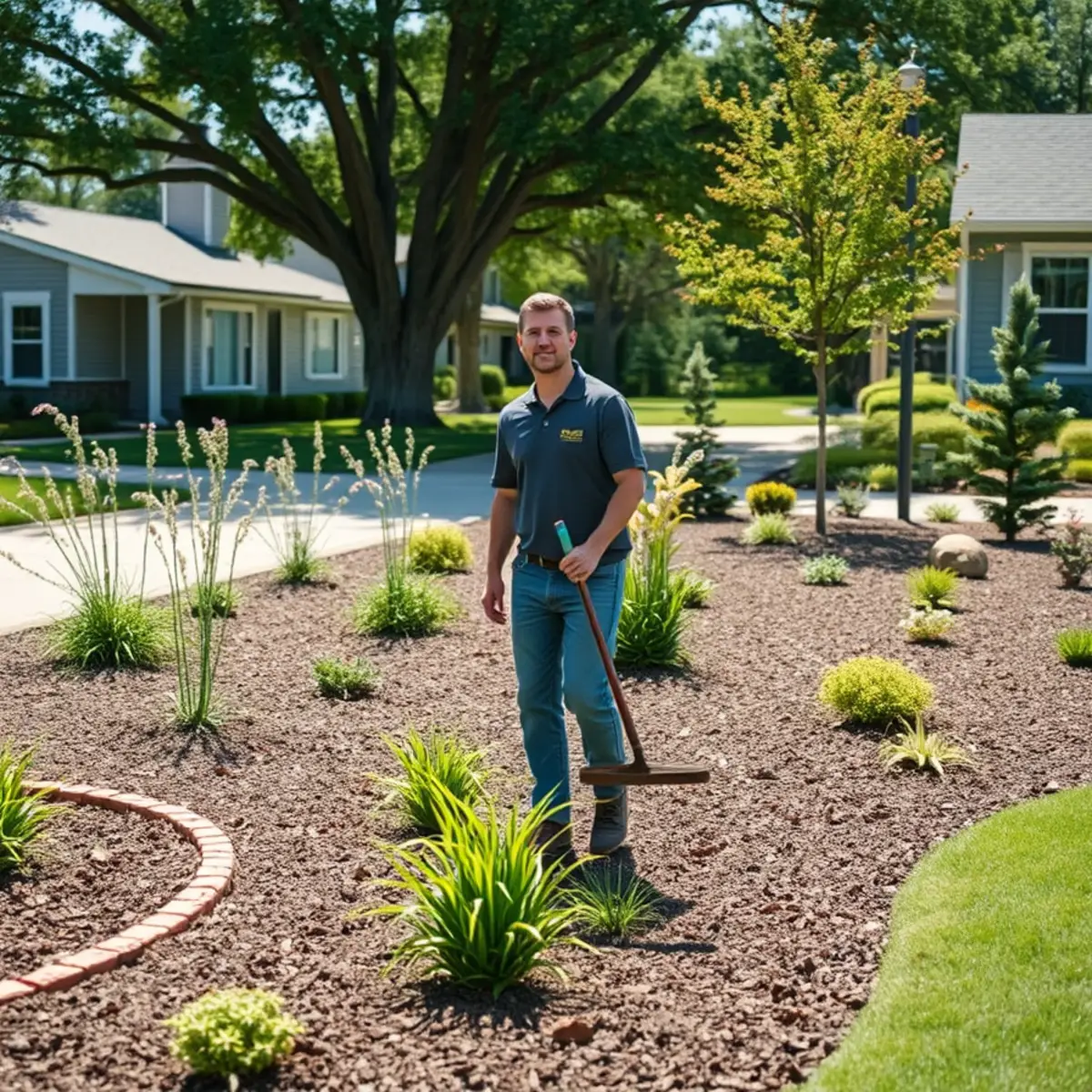 Maintenance
A great yard should not eat your weekends. Here are the design choices that cut landscape maintenance for busy Fox Cities families without giving up curb appeal.
Read articleWe provide landscape design for homeowners throughout the Fox Valley. Find your community for local details:
Get a free, no-obligation estimate from the owner. Serving Appleton and the Fox Cities for 20+ years.