There is no shortage of plants that will grow in Wisconsin. The shorter list is plants that thrive here without babysitting — surviving our winters, tolerating heavy clay, and coming back stronger each year.
The Fox Cities sit in USDA hardiness zone 5a to 5b, with typical winter lows around -15 to -20°F. A smart move is to lean on plants rated to zone 4, which handle -30°F. That extra margin means a hard winter or an exposed spot will not wipe out your investment. We save the zone 5b risk-takers for protected microclimates, like a sheltered south wall.
Below are fifteen we plant again and again across Appleton and the Fox Valley, weighted toward Wisconsin natives. Natives are adapted to our soil and climate, so they need less water and less replacing — and they feed pollinators. Aim to make roughly a third of your plantings native and the whole yard gets tougher.
Key Takeaways
- Choose plants rated to Zone 4 (hardy to -30°F) for a safety margin against our -15 to -20°F winters.
- Natives handle clay and cold with less water and fewer replacements.
- Mix perennials, shrubs, and trees for structure that holds up all four seasons.
- Right plant, right place beats fighting your soil — put wet-tolerant plants in the low spots.
Six Perennials That Come Back Every Year
Perennials are the plants that die back in winter and return each spring. These six are dependable, mostly native, and easy on water once established.
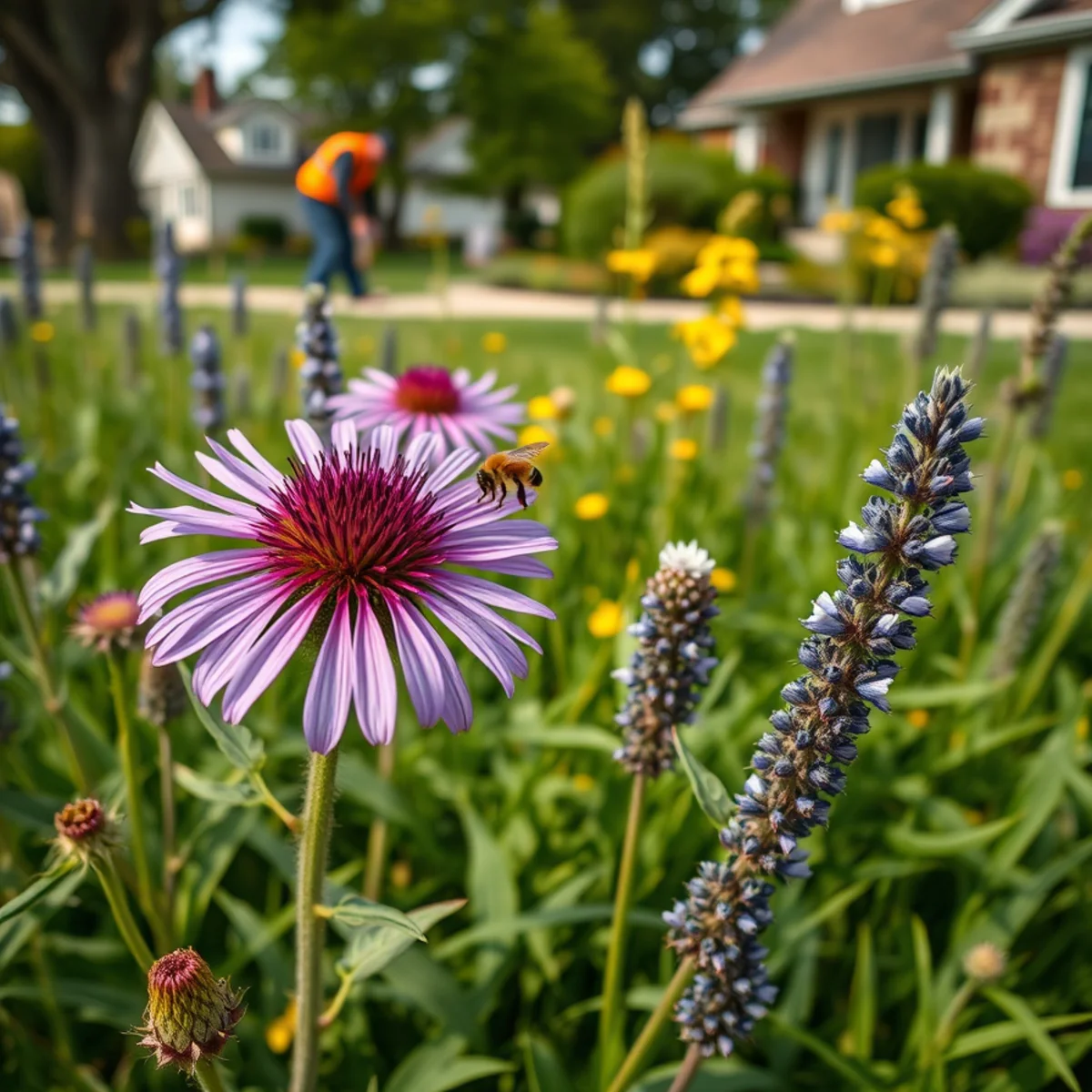
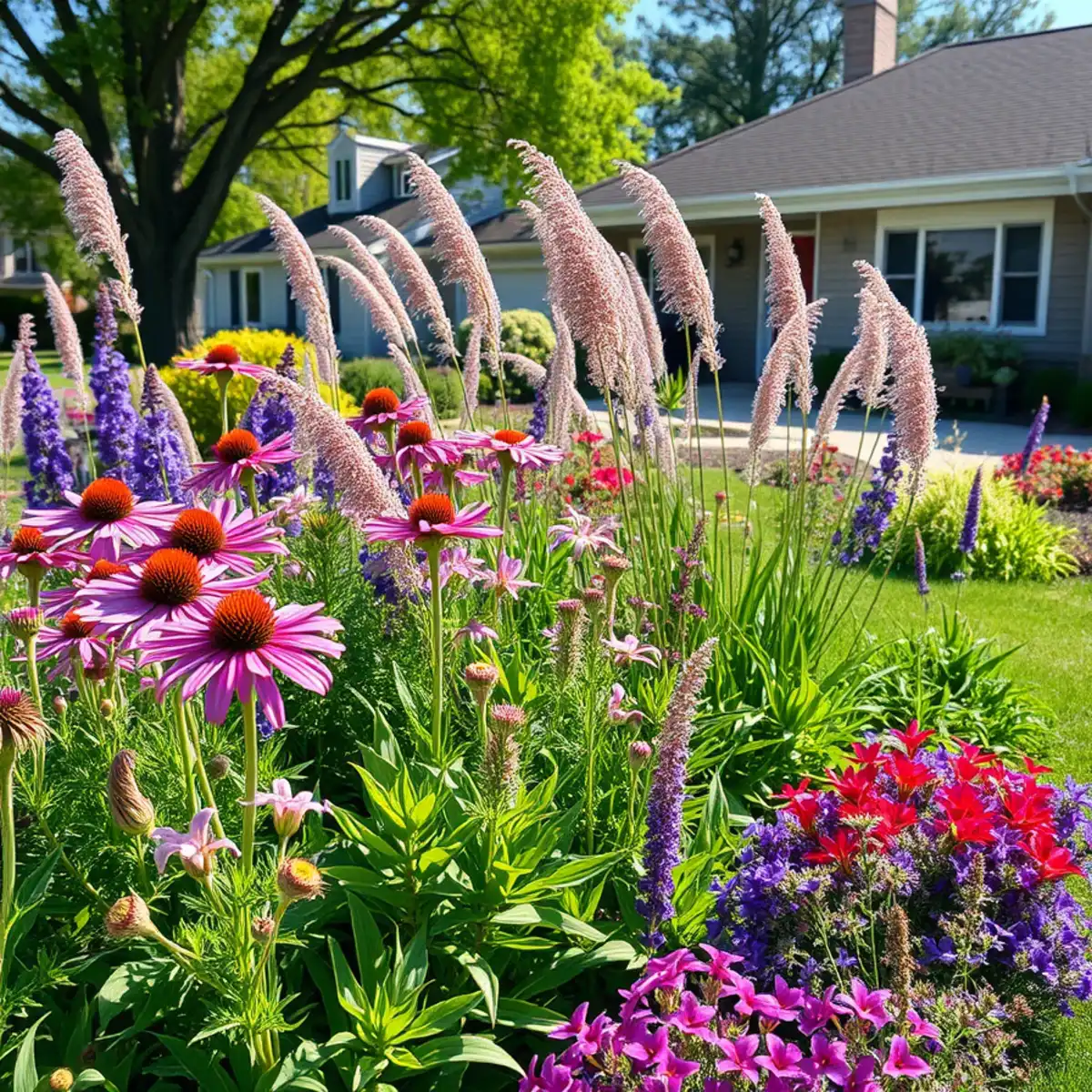
- Purple coneflower (Echinacea purpurea): Native, drought-tough, and a magnet for bees and butterflies. Leave the seed heads up and goldfinches work them all winter.
- Black-eyed Susan (Rudbeckia): Native, cheerful, and long-blooming from midsummer into fall. Spreads politely to fill a bed.
- Wild bergamot (Monarda fistulosa): Native bee balm with lavender blooms and a fragrant leaf; pollinators swarm it.
- Little bluestem (Schizachyrium scoparium): Native grass that turns copper-red in fall and stands through snow for winter interest.
- Switchgrass (Panicum virgatum): Native upright grass, great for screening and movement, and unbothered by clay.
- Catmint (Nepeta): Not native but tough as nails — a long haze of blue flowers, drought-proof, and deer tend to leave it alone.
Five Shrubs for Structure and Wildlife
Shrubs give a yard its bones and carry interest when perennials are dormant. These handle our winters and, in most cases, feed birds.
- Serviceberry (Amelanchier): Native, with white spring flowers, edible June berries birds love, and standout orange-red fall color. Works as a large shrub or small tree.
- Nannyberry (Viburnum lentago): Native viburnum with white flower clusters and dark berries; a workhorse for a wildlife hedge.
- Red-twig dogwood (Cornus sericea): Native, grown for its brilliant red winter stems against the snow. Tolerates wet feet.
- Ninebark (Physocarpus): Native, nearly indestructible, with peeling bark and colored-leaf varieties for contrast.
- Shrubby cinquefoil (Potentilla): Compact, sun-loving, and blooming for months with almost no care — a reliable filler.
Four Trees Built for Our Soil
Trees are the longest commitment in the yard, so hardiness and site match matter most. These natives handle Fox Cities clay, and some shrug off the wet spots that trouble other species.
- Swamp white oak (Quercus bicolor): Native, majestic, and genuinely happy in heavy, wet clay where other oaks sulk.
- River birch (Betula nigra): Native, with peeling cinnamon bark and real tolerance for soggy ground; a fine choice for a damp corner.
- Sugar maple (Acer saccharum): Native, with unbeatable fall color — best away from roads, since it dislikes road-salt spray.
- Hackberry (Celtis occidentalis): Native, tough, and adaptable to poor soil and city conditions; a dependable shade tree that feeds birds.
Putting the List to Work
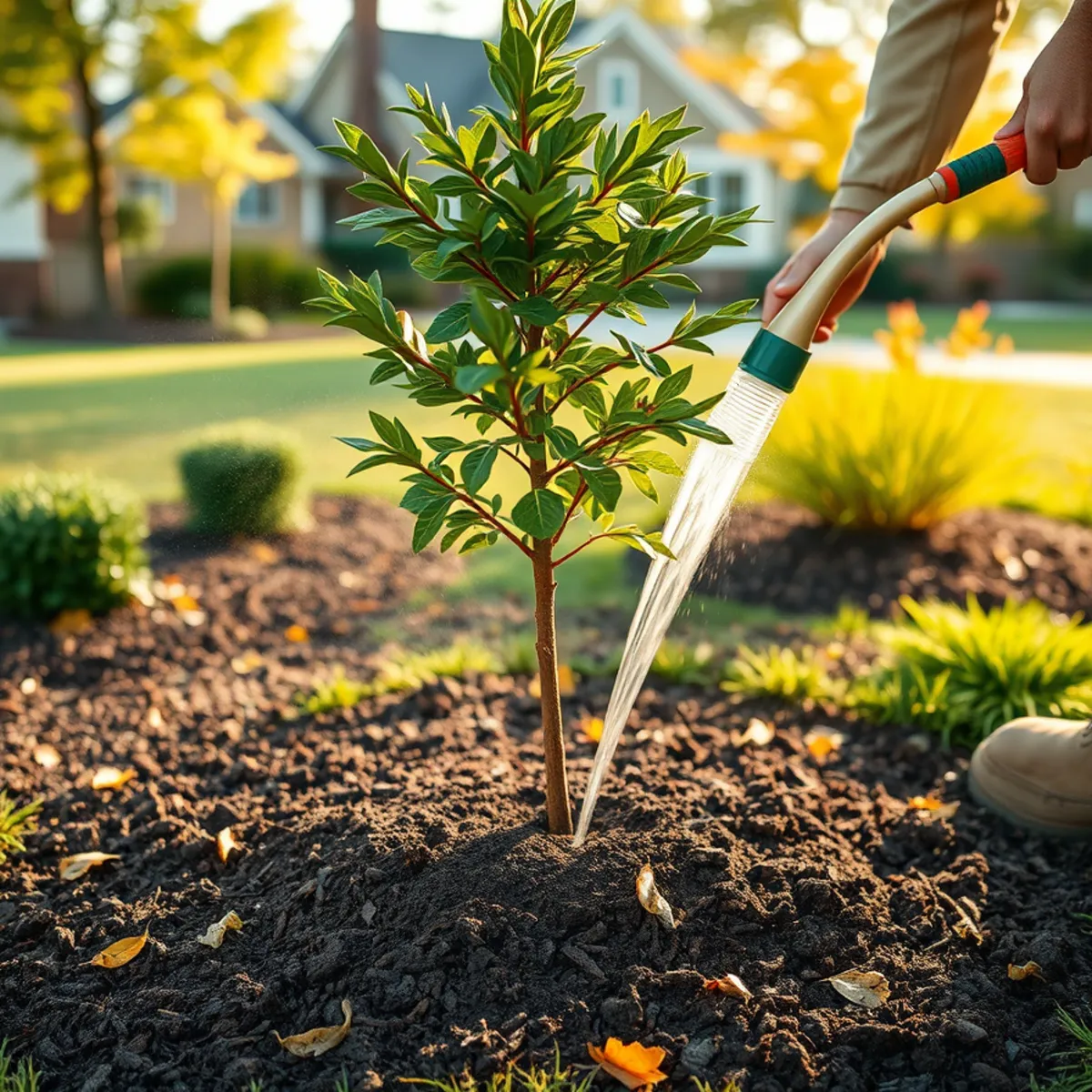
A great plant in the wrong spot is a struggling plant. Match each choice to its place: sun-lovers like coneflower and catmint in the open, wet-tolerant river birch and red-twig dogwood in the low ground, salt-sensitive sugar maple away from the driveway. This right-plant-right-place approach is the heart of how we handle planting and softscaping.
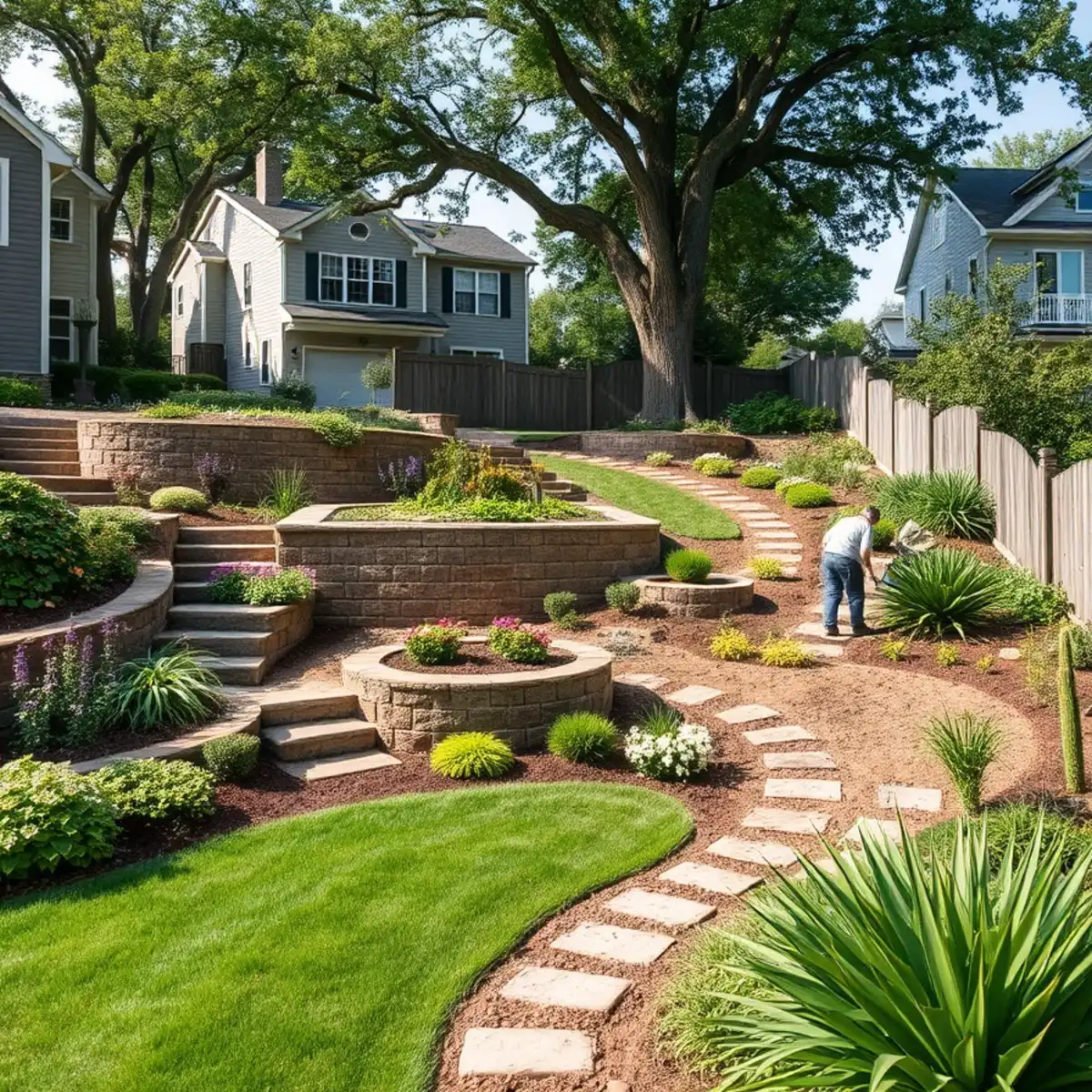
Think in layers, too — trees for canopy, shrubs for the middle, perennials and grasses at your feet. That structure reads as intentional and gives you something to look at in every season, including a Wisconsin winter. When we build a landscape design for a yard in Appleton or Neenah, we start with these dependable performers and add specialty plants only where the site protects them.
Want a hand with your project?
The owner offers free, no-obligation estimates across Appleton and the Fox Cities.
Frequently Asked Questions
Appleton and the Fox Cities sit in USDA hardiness zone 5a to 5b, with typical winter lows around -15 to -20°F. Choosing plants rated to Zone 4, which survive -30°F, gives you a margin of safety against a harsh winter or an exposed planting spot.
Natives evolved with our clay soil and cold winters, so they establish faster, need less water, and get replaced less often. They also support local pollinators and birds. You can still add ornamentals for pop — aiming for about a third natives keeps the whole planting resilient.
River birch, swamp white oak, and red-twig dogwood genuinely tolerate soggy ground, which makes them ideal for the low, slow-draining spots common in Fox Cities yards. Pair them with deep-rooted native perennials in a rain garden and a wet corner becomes an asset.
Hardy perennials and small shrubs are approachable for a confident homeowner. Trees, larger installs, and matching plants to tricky sites are where professional help pays off — mostly in getting placement, soil, and spacing right the first time so nothing has to be redone.

Written by the team at Down To Earth Landscaping, an owner-operated landscaping company serving Appleton and the Fox Cities for over 20 years. We design, build, and maintain outdoor spaces built for Wisconsin's climate.