Not everyone wants to spend their Saturdays mowing, weeding, and watering. For a lot of Fox Cities families, the ideal yard looks great and mostly takes care of itself. That is entirely achievable — but it is designed in, not tacked on.
Low maintenance is not the same as low effort at the start. The trick is front-loading good decisions: the right plants in the right places, beds shaped to be easy to care for, and a sensible balance of planting and hardscape. Do that, and the ongoing upkeep drops for years.
Here are the choices that make the biggest difference, drawn from designing yards for people who love how their landscape looks and would rather not fuss over it.
Key Takeaways
- Right plant, right place is the core principle — a well-matched plant needs little help.
- Lean on natives, which handle our clay and cold with minimal water and few replacements.
- Fewer, larger beds with clean edges and 3 inches of mulch beat scattered plantings for upkeep.
- Balancing planting with hardscape cuts mowing, watering, and weeding for good.
Right Plant, Right Place
The single biggest driver of yard work is plants fighting their conditions. A sun-lover crammed into shade, a moisture-hater in a wet spot, or a plant too big for its bed will demand constant intervention — pruning, treating, replacing. Match each plant to its site and most of that work simply disappears.
It sounds obvious, but it is where most high-maintenance yards go wrong. Putting a drought-tolerant plant in the dry strip by the driveway and a moisture-lover in the low corner means neither needs babying. This match-making is the foundation of every low-care planting and softscaping plan we build, and it is why a thoughtful design pays for itself in saved weekends.
Lean on Native Plants
Natives are a busy family's best friend. Because Wisconsin natives evolved in our clay and cold, they establish fast, resist local pests, and — once rooted — get by on rainfall in a normal year. That means little watering, little spraying, and few replacements.
Aim to make roughly a third of your plantings native and the whole yard gets tougher and thirstier for attention. Coneflower, black-eyed Susan, little bluestem, and switchgrass practically run themselves while feeding pollinators. They are the low-effort anchors around which the rest of a planting plan comes together.
Smart Beds and Mulch
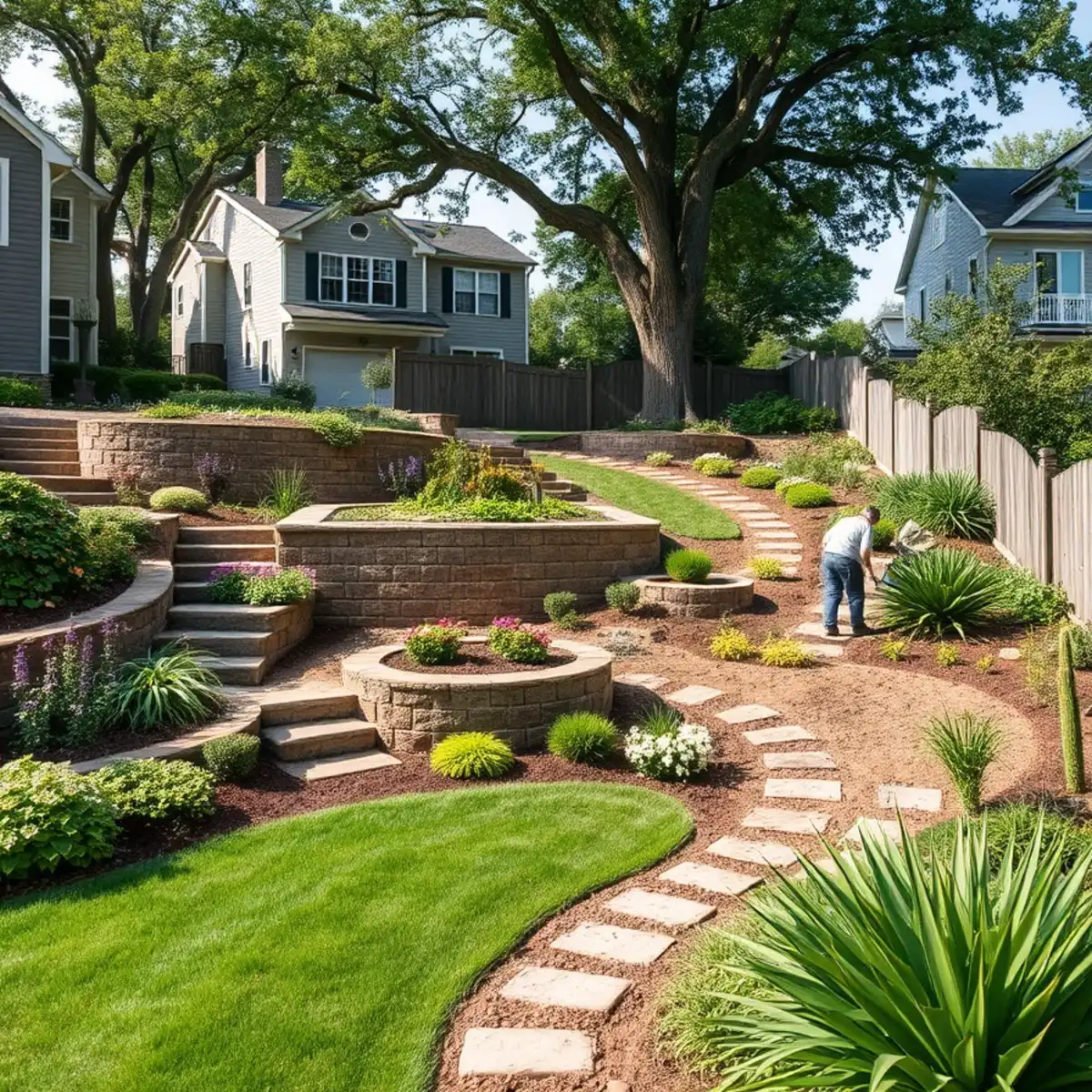
How you shape your beds matters as much as what is in them. Lots of small, scattered beds and island plantings mean lots of edges to trim and awkward mowing around. Consolidating into fewer, larger beds with smooth, flowing edges cuts the fiddly work dramatically and looks cleaner besides.
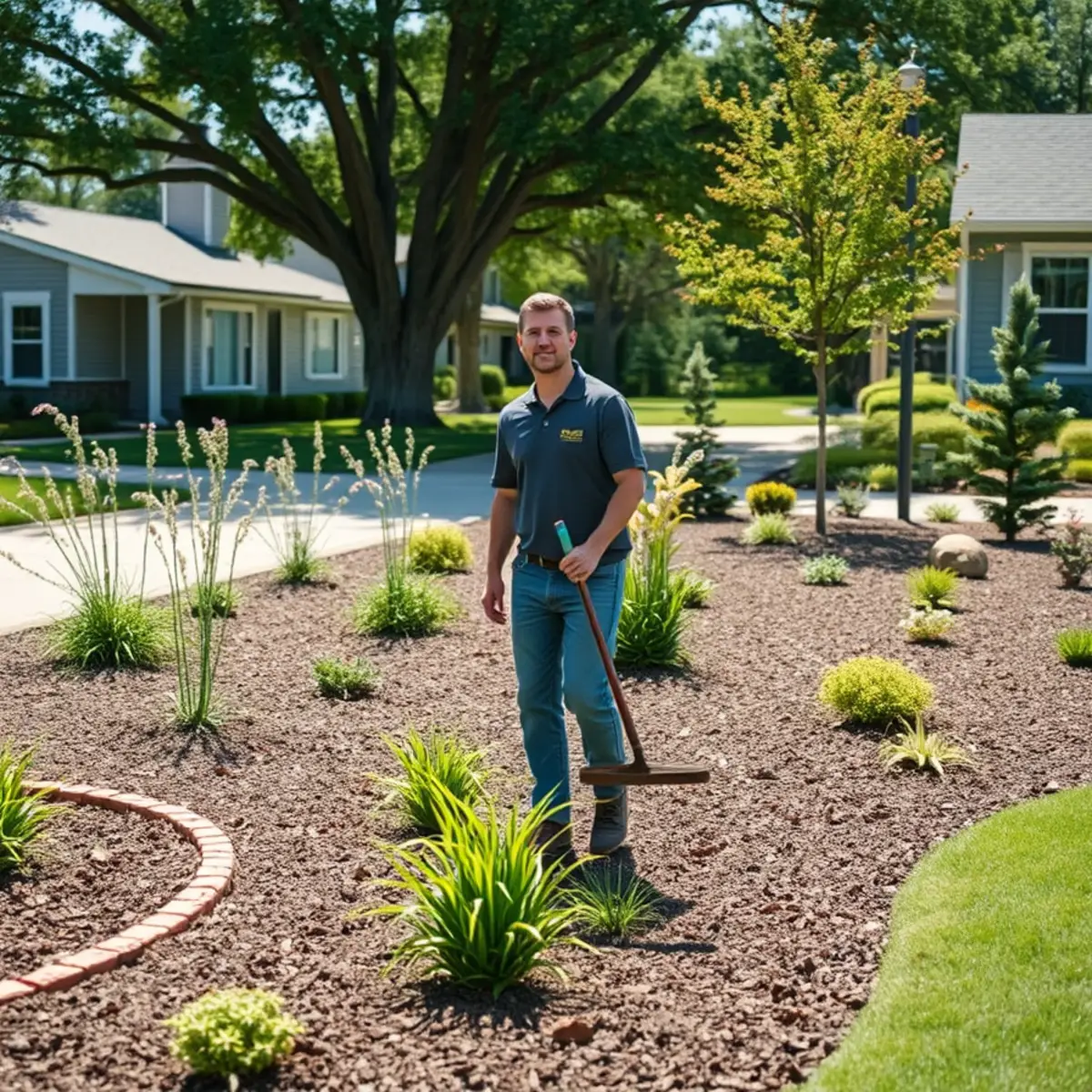
Then mulch. A 3-inch layer of shredded hardwood is the hardest-working, lowest-tech tool in a low-maintenance yard. It smothers weeds before they start, holds soil moisture so you water less, moderates soil temperature, and refreshes the look of a bed in an afternoon. Keeping beds well-mulched and cleanly edged is most of what a tidy landscape needs, and it folds easily into a light seasonal cleanup rather than constant fussing.
Rethink the Lawn-to-Hardscape Ratio
Lawn is the most demanding surface in any yard — mowing, watering, fertilizing, edging, week after week. One of the most effective ways to cut maintenance is simply to have less of it.
That does not mean paving everything. It means replacing hard-to-mow strips, awkward slopes, and unused turf with lower-care alternatives: a paver patio or seating area, planted beds, native groundcovers, or a path. Hardscape needs almost no ongoing care, and well-chosen plantings need far less than grass. Shifting the ratio even modestly toward beds and hardscape can hand you back hours every month across the season. A cohesive landscape design figures out where lawn earns its keep and where it is just work.
Water Smart and Group by Need
Hand-watering is a chore and overhead sprinklers waste water to evaporation. Grouping plants by their water needs — thirsty ones together, drought-tough ones together — lets you water each zone appropriately instead of soaking everything to satisfy the neediest plant.
Where irrigation makes sense, drip lines deliver water straight to the roots on a timer, cutting both waste and effort. Combine that with the native, well-mulched, right-placed plantings above and you have a yard that largely runs itself through a normal Fox Valley summer. Families across Appleton and Greenville tell us the best part is not the time saved on any one task — it is not having to think about the yard constantly. That freedom is what good low-maintenance design actually delivers.
Want a hand with your project?
The owner offers free, no-obligation estimates across Appleton and the Fox Cities.
Frequently Asked Questions
Not at all. A low-maintenance yard can be lush and colorful. The idea is choosing plants matched to their spot, leaning on tough natives, consolidating beds, and balancing lawn with hardscape. Gravel-and-nothing yards are one option, but a well-designed planted landscape can be just as easy to care for and far more inviting.
Two moves: reduce lawn area and mulch your beds well. Lawn is the most demanding surface — mowing, watering, fertilizing — so replacing unused or hard-to-mow turf with beds, native groundcover, or hardscape cuts work immediately. A 3-inch mulch layer then smothers weeds and holds moisture so you water less.
Once established, yes. Wisconsin natives are adapted to our clay and cold, so they resist pests, survive winters, and get by on rainfall in a normal year — meaning little watering, spraying, or replacing. Making about a third of your plantings native noticeably lowers the ongoing effort your yard demands.
It can cost a bit more upfront, because the savings come from good design, quality plants, and sometimes added hardscape. But that investment buys years of reduced watering, weeding, mowing, and replacing. For busy families, the payoff is measured in reclaimed weekends as much as in dollars.
Related Services & Areas
Services
Service Areas

Written by the team at Down To Earth Landscaping, an owner-operated landscaping company serving Appleton and the Fox Cities for over 20 years. We design, build, and maintain outdoor spaces built for Wisconsin's climate.